
A Muslim life is completed when a Muslim declares
Shahada: Faith “There is no god but Allah, and Muhammad is his messenger”
and establishes Salah: Prayer daily
and does Zakāt: Charity annually
and carries out Sawm: Fasting according to the Lunar calendar of Islam
and finally is done with Hajj: pilgrimage to Mecca.
These are regarded as five profound pillars of Islam. A Muslim begins any of his action of purity with
Bismillahir rahmanir rahim: “In the name of Allah, the most beneficent, the most merciful.”
Muslims greet one another saying
Assalaamu Álaikum:“Peace be upon you.”
It’s Salaam: A salutation, greeting, or blessing which means peace, in the Muslim culture. Muslims abide the teachings of Prophet Muhammad ﷺ (may peace be upon him) and should lead their lives prior to the life he led in his times. That is called the Sunnah. The Prophet told his Ummah: The whole community in Islam, to practice and submit to ALLAH.
 In 2018, living as a Muslim with Eeman: This is a belief or faith in ALLAH, has become more challenging due to modernization of Muslim community. Following the Al-Quran: the Holy Book of Islam, in this modern society that clashes with society norms, has become ineffective to play a role among Muslims. For this act Muslims are in loss of Barakah: blessing or divine grace. We forget to utter the words Allahu Akbar: Arabic for “Allah is The Most Great”. When we hear Adhaan: Call for prayer from the Masjid: Mosque – the house of prayer where Muslim men specifically, go for prostration, we don’t reply to Adhaan nowadays. During congregational prayer, Muslim gents are minor in numbers or less attentive to Imam: a spiritually qualified leader who also leads in community political affairs; when he delivers Fatwa: an Islamic legal ruling or edict. A Muslim cannot establish prayer if Qibla: direction toward Mecca that is designated in a place of prayer, is not found, about which Muslims are taught at an early age by Mullah or Molvi: A learned leader. But still genuine Muslims are less literate to understand Islam and tend to do Shirk: The act (sin) of regarding anything as equal with god. This includes idolatry, polytheism, or attributing divinity to a person, knowingly and unknowingly.
Nowadays in Eid: a festive or a feast, has lost its value. It is more about shopping for self and families. Rather we should focus more on Zakāt: The alms or contributions to charity required as a duty to Allah. Zakāt constitutes about 2.5 percent of one’s annual wealth that should be given to poor so that they can enjoy Eid, too. Even in the time of Ramadan: Month of fasting which is observed in the ninth month of the Islamic calendar, Muslims of today are irregular in keeping Sawm: Fasting, especially during Ramadan. Sawm means total abstinence from food, liquids, and sexual relationships from dawn to sunset, for one lunar month. In the history of Islam most religious wars occurred in Holy Month of Ramadan that is termed as Jihad: a struggle or effort in Allah’s cause. The great Jihad is the inward struggle against the passions. The lesser Jihad is a defensive or legal war, to protect the interest of Islam. It is mistakenly called holy war. Jihad is the Muslim obligation to strive to teach, explain, spread, and protect the message of Islam.
Speculating the events that took place during Muharram: the first month of the Islamic calendar and a festival commemorating the martyrdom of the third Imam, Husayn Ibn `Ali (as), clashes take place across the Muslim world between Islam’s two big sects, the Sunni: Ninety percent of Muslims are Sunni. This name is derived from sunnah (tradition) for one who follows the tradition of Muhammad (who did not designate a successor). It is the belief that leadership should come from among the Quraish Arabs (Muhammad’s tribe) and the Shi’a (plural) of Shi’ite: Partisan or follower who believes that leadership should come from descendants of Muhammad’s family.
The biggest event of a Muslim life is performing Hajj: Pilgrimage to Mecca during the twelfth month of the Muslim lunar calendar. Muslims are required to perform Hajj at least once in their lifetime, if means and health allow. A Muslim yearns within one’s own eye to witness the view of Ka’aba: A cubic stone structure where the black stone is housed. Located in the center of the Great Mosque at Mecca, Muslims believe that it was the first house of worship built by Adam, which was later reconstructed by Ibraham (as) and Isma’il (as). Non-muslims who do not have access inside Ka’aba are called Kafir: a person who refuses to submit to Allah. This term is generally used by Muslims to refer to those who do not believe in Prophet Muhammad ﷺ (may peace be upon him) and the Qur’an, and who do not believe in ALLAH. The pilgrimage includes visits to many holy places around but the most prominent visit is to the city of Madinah: Originally this city was called Yathrib, and was located about 200 km north of Mecca. This was the first city-state that was established under the banner of Islam.
This article tries to put every topic of discussion circulating a life of Muslim.
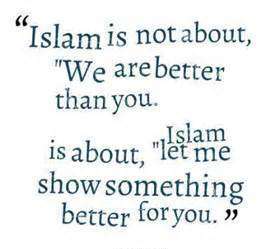
And a Muslim should educate self more on Hadith: A collection of Muhammad’s sayings and deeds, known as the Traditions, which is commonly taught as a part of Islamic theology. Hadiths are explanations and interpretations of Muhammad’s living example. If any non-muslim wants to build interest on any topic with a Muslim then they should just ask them about Jinn: Unseen or spiritual beings who are required to follow the orders of Allah and are accountable for their deeds. Like humans, they are given the power to choose between right and wrong. Sarcastically speaking, Muslims do have Jinn stories to tell associated with their life somehow. Apart from all the odds, the practical world of Muslims is based on Shari’ah: Islamic law-the way or divine path of obedience to Allah. It comprises the writings of the Qur’an and hadith and serves as the guide for worship and ethical living. So we Muslims should tell ourselves daily:-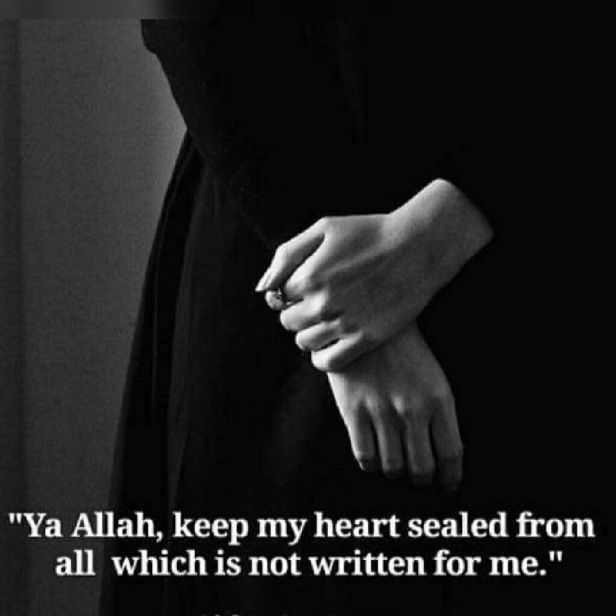
 happy life in Islam